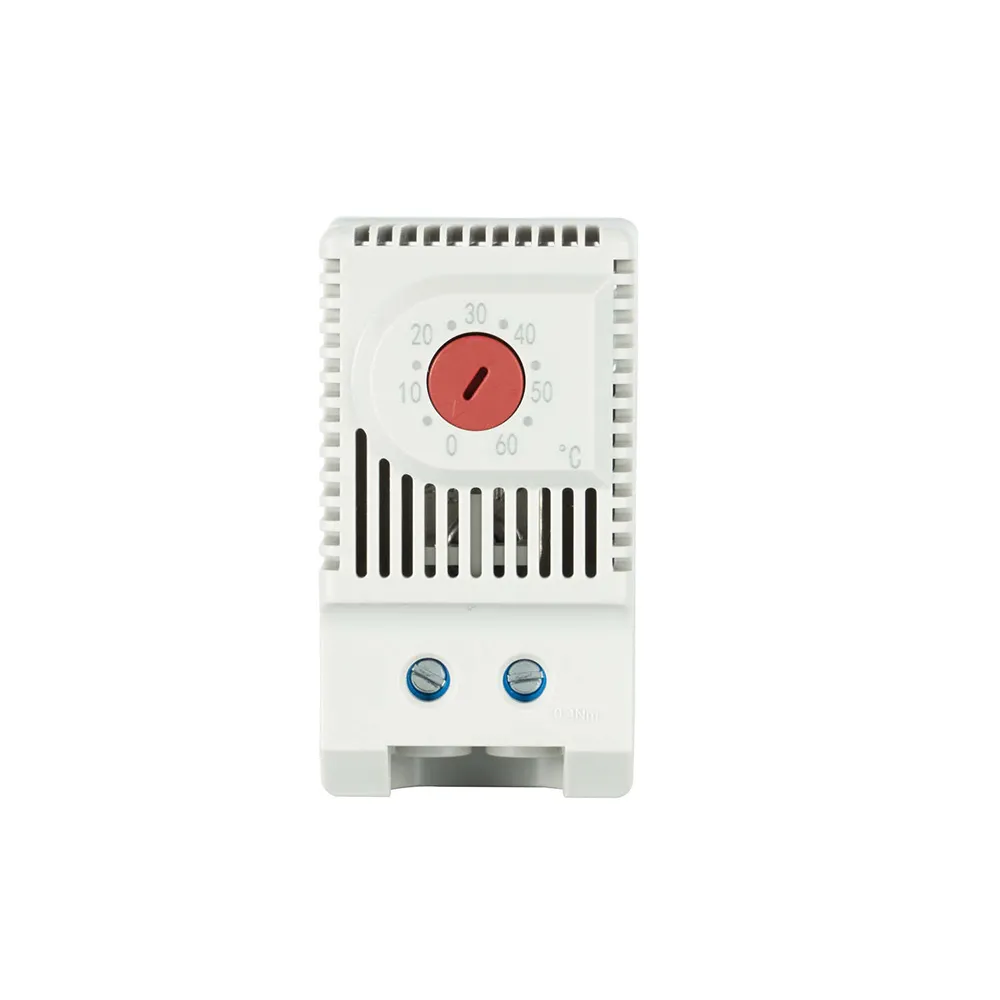
Thermostats and hydrostats
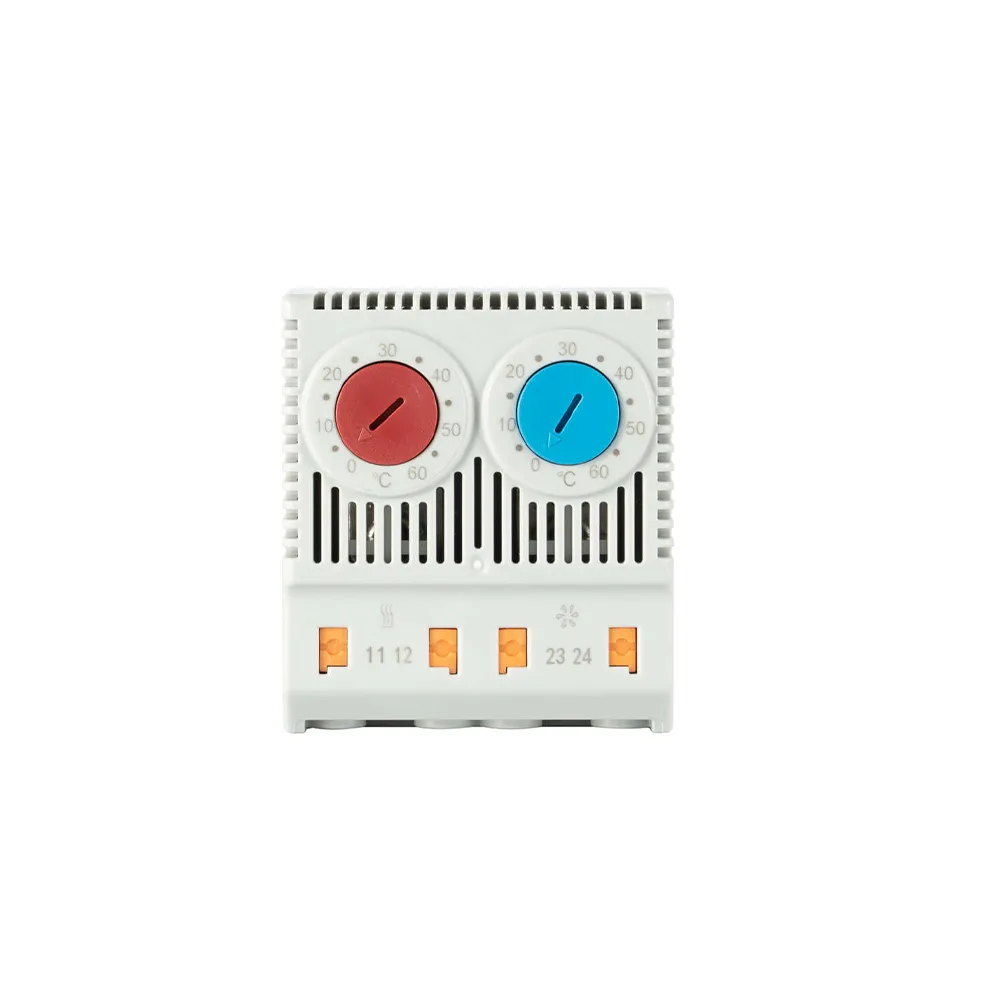
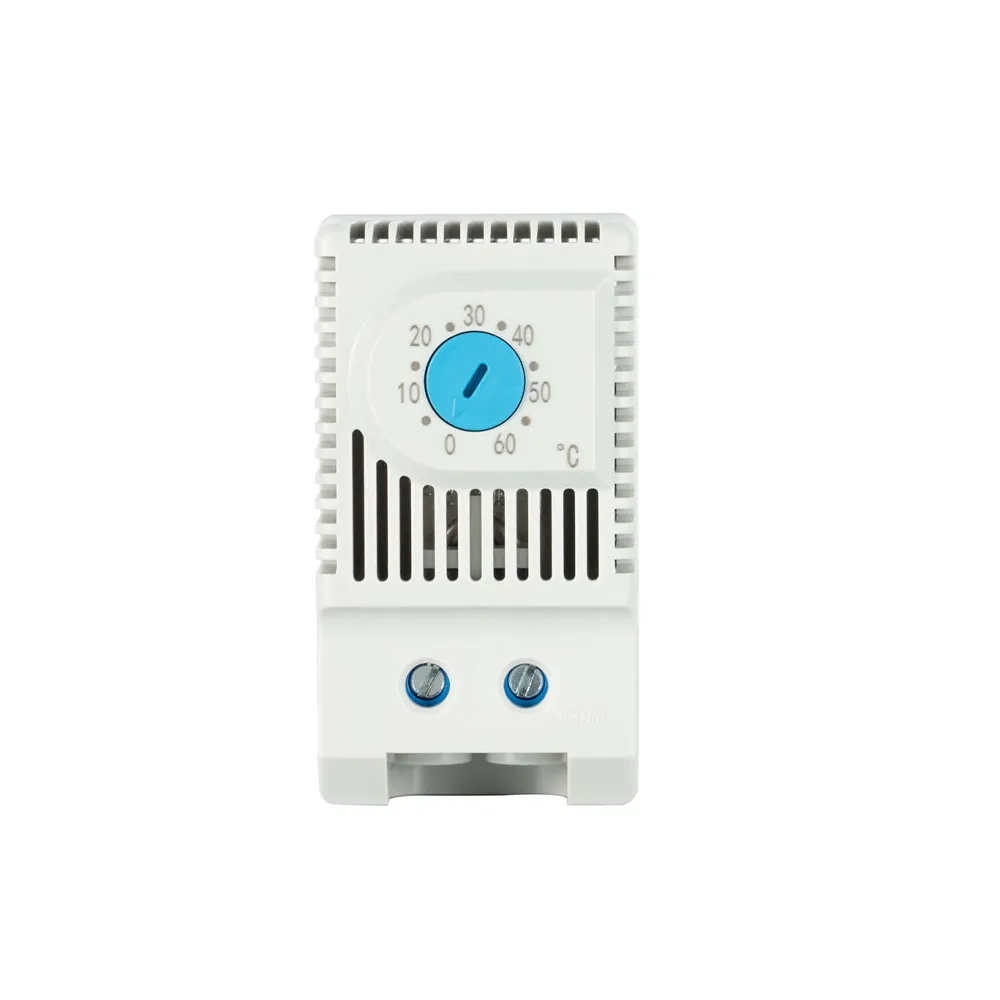
Auxiliary devices are also used for the correct control of fans: thermostats and hydrostats.
Thermostats are of two types, upper temperature controls (for cooling) which control fans and lower temperature controls (for heating) which control heaters. The devices have a simple design, which ensures reliable operation in all conditions and easy control by means of a potentiometer with visual temperature adjustment. There have devices that are combined.
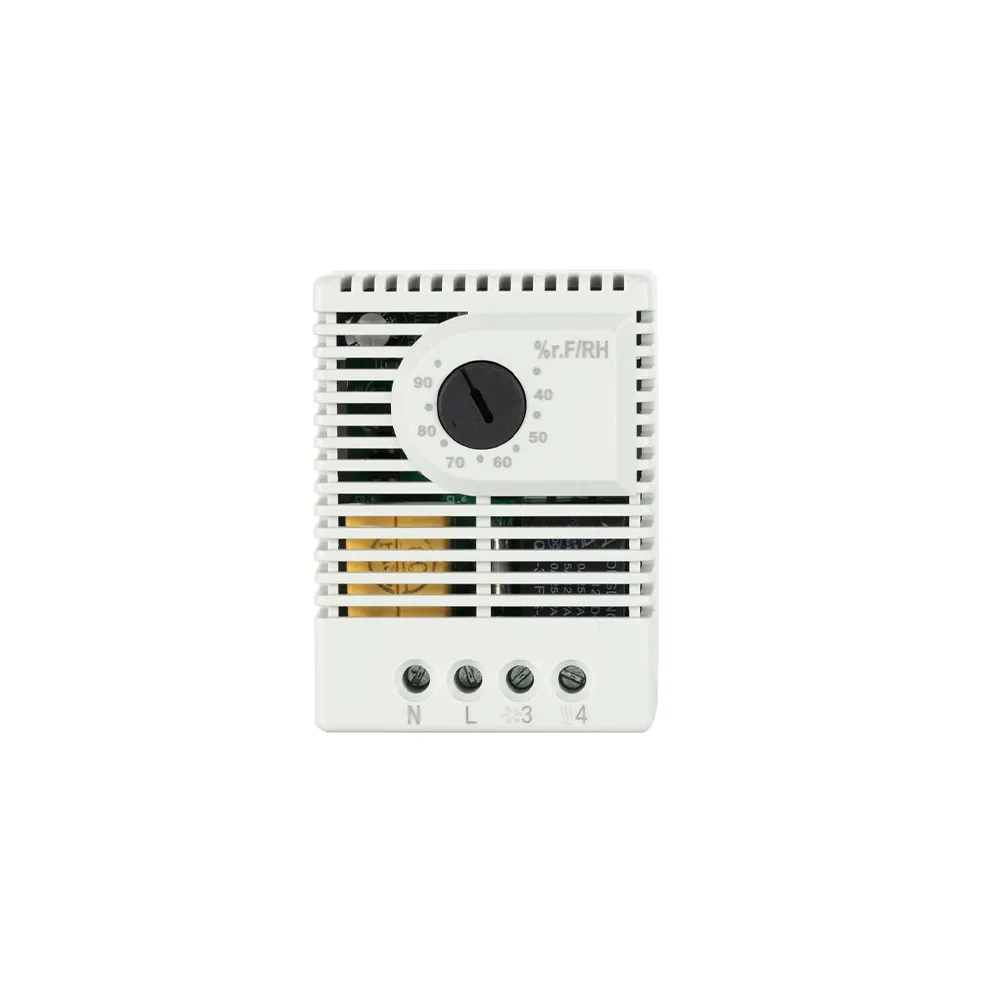
Hydrostats are devices that monitor for elevated moisture levels in electrical cabinets and signal the activation of electric heaters or other devices to prevent the internal temperature from falling to and below the dew point.
or: +359 32 395 989 · sales@mechatronics.bg
Price, availability and lead time on request — for companies and individuals.
Thermostats and Hydrostats for Electrical Panels
Systems for climate control, humidity management and protection of electrical equipment
Thermostats and hydrostats are critical components for automatic climate control in electrical panels and cabinets. These devices provide protection for valuable equipment by controlling temperature and humidity, preventing overheating, condensation and related failures. With properly selected and installed systems, you can ensure reliable and long-lasting operation of your installations.
Definition and Function
Thermostats
Thermostats are automatic devices for temperature regulation in enclosed spaces. They contain temperature sensors that continuously monitor conditions inside the panel and activate cooling or heating systems when certain thresholds are reached. In electrical panels, thermostats prevent component overheating and failures caused by extreme temperatures.
Hydrostats
Hydrostats are devices for controlling humidity in enclosed spaces. They prevent moisture condensation and associated corrosion and electrical damage. When humidity is excessive, they activate ventilation or dehumidification, and when humidity is low, they can activate humidification of the air.
Technical Specifications
- Temperature working range: Typically from -10°C to +70°C, with accuracy ±1-2°C
- Humidity working range: 20%-90%, with accuracy ±5% RH
- Supply voltage: 24V DC, 230V AC or 400V AC (depending on model)
- Control contacts: NO (normally open) or NC (normally closed)
- Maximum controlled current: Typically 10-20A when controlling a contactor
- Hysteresis: 2-5°C for temperature or 5-10% for humidity (settings to prevent oscillation)
- Size: DIN rail mounting, compact design for small panels
- IP protection grade: IP20-IP65 depending on the enclosure
Applications of Thermostats and Hydrostats
Climate control systems with thermostats and hydrostats are used in various critical applications:
🏭 Industrial Panels
Protection of PLC controllers, frequency converters and relays in production environments
📡 Telecommunications
Maintaining optimal conditions in switching centers and server cabinets
🔌 Distribution Systems
Climate control of electrical distribution networks and transformer rooms
💻 Server Cabinets
Temperature control for operation of computer and server equipment
🚇 Infrastructure
Protection in humid conditions in metro, railway systems and underground facilities
⚡ Hydroelectric Systems
Climate management in control centers of hydroelectric facilities
Benefits of Climate Control Systems
✓ Protection from Overheating
Automatic shutdown of equipment when temperature exceeds limits prevents thermal damage and extends the service life of components.
✓ Condensation Prevention
Humidity control prevents dew formation, which can cause corrosion and electrical damage.
✓ Cost Reduction
Preventing failures means significant reduction in repair and replacement costs for defective components.
✓ Improved Reliability
Stable equipment operation under optimal conditions increases the overall reliability of the system.
✓ Extended Warranty
Many manufacturers offer extended warranties when approved climate control systems are installed.
✓ Automatic Control
No need for manual control - the system works around the clock and automatically regulates conditions.
How to Connect in Panels - Practical Examples
Example 1: Cooling System with Thermostat
Required Materials:
- Thermostat with sensor (operating temperature 0-60°C)
- Contactor or relay for fan control
- Cooling fan 230V or 400V, power 1-5 kW
- Wiring with appropriate cross-section (1.5-2.5 mm²)
- Protective circuit breaker (automatic switch) with appropriate rated current
- Signal elements (lamp or audible alarm)
Installation and Connection Sequence:
Operating Principle:
When panel temperature reaches the set threshold (e.g., 45°C), the thermostat closes contacts → the contactor switches on → the fan starts and cools the panel → when temperature drops below the lower threshold (e.g., 40°C), the thermostat opens contacts → the fan stops.
Example 2: Humidity Control System with Hydrostat
Required Materials:
- Hydrostat with humidity sensor (60-80% RH range)
- Solenoid valve or humidity heater
- Air dehumidifier or additional ventilation
- Transformer for voltage reduction (24V, if needed)
- Wiring and protective elements
Operating Principle:
The hydrostat monitors the humidity level. When exceeded (e.g., above 75%), it activates a dehumidifying system - this can be the cooling fan or a heating element. When humidity drops below the lower threshold, the system automatically shuts down.
Example 3: Combined Thermostat + Hydrostat System
In professional panels, integrated systems are typically used for optimal temperature and humidity management:
Control Logic with 4 Operating Stages:
Stage 1 (35-45°C, humidity < 60%):
System in maintenance mode - only small scheduled ventilation
Stage 2 (45-55°C, humidity 60-70%):
Cooling fan is activated + ventilation grill
Stage 3 (>55°C or > 80% humidity):
Maximum cooling + ventilation + emergency alarm (yellow lamp)
Stage 4 (>65°C):
System for forced equipment shutdown is activated + audible alarm (red lamp)
Technical Tips for Installation
| Aspect | Recommendation |
|---|---|
| Sensor Position | Mount in a location where they can "see" panel climate but not directly on hot elements |
| Electrical Connection | All connections must comply with EN 61439-1 standards for control equipment |
| Overcurrent Protection | Use circuit breakers with appropriate current rating - 10A for control circuits, 16-20A for cooling |
| Grounding | All metal parts must be properly grounded (PE conductor) |
| Fan | Power minimum 100-150% of equipment consumption in the panel |
| Periodic Inspection | Test thermostat and hydrostat every 6 months for proper operation |
| Documentation | Keep electrical schematic and instructions inside the panel |
Practical Example for Cooling Capacity Calculation
Panel with dimensions 600x800x400mm containing equipment with consumption 2 kW:
- Panel heat output: approximately 2 kW (6800 BTU/h)
- Recommended fan power: minimum 3-4 kW cooling capacity
- Acceptable panel temperature: maximum 55°C at ambient 25°C
- Thermostat should be set to turn on fan at 45°C
- Turn off at 40°C (5°C hysteresis)
Documents and Materials
For more information on selection and installation of thermostats and hydrostats, you can review the following materials:
- Manufacturer's technical catalog
- Installation and setup instructions
- Electrical connection schematic
- Specification sheet (Datasheet)
Related Products and Solutions
Conclusion
Proper connection and installation of thermostats and hydrostats is of vital importance for reliable operation of any electrical panel. Automatic control of temperature and humidity prevents failures, extends equipment life and reduces maintenance costs.
With every new panel project, consider including these devices as standard practice. I recommend consulting with a specialist when designing complex systems, especially for industrial applications with high criticality.